Posts

Before the Cold-and-Flu Season Starts, Read This

Every Fall, the same advice starts circulating: take more vitamin C, get your flu shot, wash your hands. What’s missing is where immune resilience actually starts — your gut.

The gut-immune connection

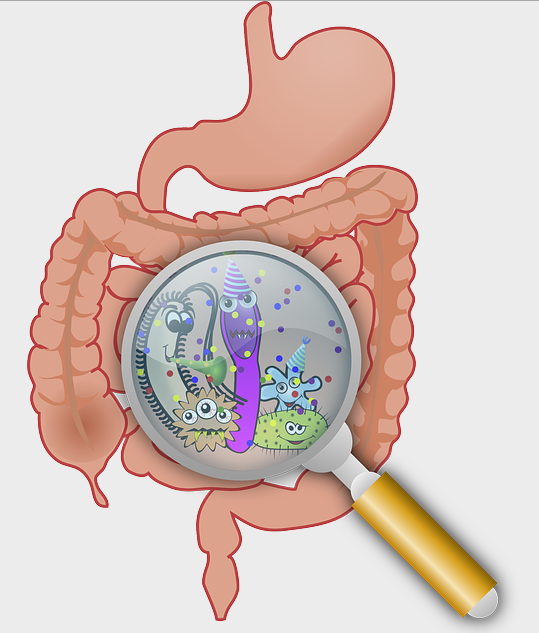
Roughly 80% of your immune cells live in and around your gastrointestinal tract. Your gut lining and the trillions of microbes that live there are in constant communication with your immune system, essentially training it on what to attack and what to leave alone. When gut health is compromised, immune function often follows — which is part of why some people seem to catch everything going around while others rarely do.


Some key gut-immune players

  • Short-chain fatty acids (produced by your beneficial gut bacteria fermenting the fiber you eat) directly support immune regulation. Without enough beneficial bacteria to ferment your fiber and make short-chain fatty acids, this whole signaling system weakens.
  • A healthy gut lining prevents unwanted particles from triggering unnecessary immune activation. When your lining is compromised, your immune system can end up overly reactive and depleted from fighting battles it doesn’t need to fight.
  • The gut microbiome influences how effectively your body responds to vaccines and produces antibodies — no matter what, you need a healthy gut!

Support your gut-immune team

  • Diversify your fiber sources. Different fibers feed different bacterial strains — aim for variety across vegetables, legumes, low-sugar fruits, nuts & seeds (rather than relying on one source all the time). You’ve heard the expression “eat the rainbow”? It’s an easy way to apply this concept of fiber diversity.
  • Prioritize fermented foods a few times a week — yogurt, kefir, sauerkraut, kimchi — to directly support microbial diversity and beneficial bacteria.
  • Support your gut lining with zinc and glutamine-containing foods (bone broth, cabbage, and quality protein sources are good options).
  • Don’t neglect sleep and stress management. Both directly suppress immune function, often more you realize. Eating fiber and fermented foods is great, but it won’t fully compensate for chronic sleep deprivation or unmanaged stress. There’s no substitute for quality sleep & nervous system regulation!

Building immune resilience isn’t about stocking up on supplements the week you feel a scratchy throat coming on — it’s about the daily gut-supportive habits that you do consistently.

As a functional nutritionist, I don’t just help you to eat healthier: I help you create a healthier lifestyle.  

If you’re ready to discover where your best health has been hiding, I’d love to connect with you!

Apply for a complimentary Unstoppable Health Discovery Session.
http://bit.ly/schedulinghealth (subject to availability).

Until next time, I’m wishing you unstoppable health,

~Rebecca

P.S. If you know someone who is ready to feel great & create health habits that stick, I would love to connect with them!

Please share my scheduling link with them so that they can schedule a complimentary Unstoppable Health Discovery Session with me.

Gut Bug Poop: The Inflammation Trigger Nobody’s Talking About

Your gut is at the ROOT of your health. Inside your gut, there’s a molecule hiding that most people have never heard of — and it might be silently fueling some of the most common health problems. It’s called LPS (lipopolysaccharide). What you’re going to learn about your gut and LPS today will give you a whole new appreciation for your gut.

First: What Is LPS?

LPS is a byproduct of the bacteria that naturally live in your gut. LPS, also known as endotoxin, is a byproduct of the bacteria that naturally live in your gut.  It forms the outermost layer of certain bacteria (gram-negative bacteria) and helps protect them. LPS is released both during the normal day to day metabolic processes of bacteria and when they die. Okay so technically LPS isn’t your gut bug’s poop…but it is waste material and I stand by my analogy.

In a nutshell, LPS is a completely normal part of your gut ecosystem. The problem isn’t that it exists: The problem is what happens when too much of it gets out.

LPS belongs inside your gut, not in your bloodstream. When LPS repeatedly escapes into your bloodstream, even at low levels, it is like flicking the domino on inflammation throughout your entire body.

Chronically elevated LPS in the blood has been linked to:
Type 2 diabetes · Atherosclerosis · Hypertension · Obesity · NAFLD (fatty liver disease) · Autoimmune conditions · IBS and SIBO · Cognitive decline and brain fog · Depression and anxiety

And here’s a fun fact, your diet and lifestyle play a HUGE role in LPS-induced inflammation. In one study, healthy people placed on a Western-style diet for just one month saw a 71% increase in blood LPS levels — while those eating a whole-food diet saw levels drop by 31%. 

The Gut Barrier: Your First Line of Defense

Your gut lining is not just a passive tube. It’s an active, brilliantly designed barrier with multiple layers that work together to protect you. Here are 3 noteworthy lines of defense your gut has for keeping LPS in check.  

Defense Layer 1: An Enzyme Called IAP
Your gut lining produces an enzyme called intestinal alkaline phosphatase (IAP). IAP is like a bouncer at your gut’s door. It detoxifies LPS right there in your gut and prevents it from entering your bloodstream and triggering inflammation. IAP also helps keep your gut lining sealed tight (helps regulate tight junction protein levels). IAP works best when you have good microbial diversity, healthy bile flow, and a fiber-rich diet.

Defense Layer 2: The mucus layer
This is a thick physical barrier that acts as a buffer and prevents bacteria (and their byproducts like LPS) from making direct contact with your intestinal cells.

Defense Layer 3: Tight junctions
The “seals” between your intestinal cells. When these are intact, they keep LPS from slipping through into the bloodstream. When they break down, LPS and all sorts of other toxins, gets through.

The Liver: Your Second Line of Defense

Defense Layer 1: HDL3
You’ve probably heard HDL called “good cholesterol.” But there’s a specific subtype — HDL3 — that plays a fascinating and newly discovered role in LPS defense. Your intestinal cells produce HDL3 particles that travel directly to the liver through the portal vein. On its way to the liver, HDL3 binds to a protein called LPS-binding protein (LBP), which in turn binds to LPS. Such a good example of the teamwork between your gut and your liver!

What supports healthy HDL3? Zone 2 cardio (easy pace exercise), omega-3 fatty acids, polyphenol-rich foods, and dietary fiber all help keep this system working well.

Defense Layer 2: Your Liver
Any LPS that makes it past your gut and past your HDL3 gets filtered by your liver. When your liver is healthy and not overburdened, it clears LPS efficiently. When it’s stressed — by poor diet, gut dysbiosis, or metabolic dysfunction — clearance of LPS suffers and more LPS spills into circulation. Supporting your liver with a clean diet, filtered water, daily movement, curcumin (well-documented anti-inflammatory effects on the liver and has been shown to modulate the TLR4 signaling pathway that LPS uses to trigger inflammation), milk thistle (supports liver cell regeneration and protects hepatocytes from inflammatory damage), and dandelion root (supports bile production and flow, which matters both for liver detoxification and for keeping IAP active in the gut) can help keep this final filter running smoothly.

The Most Powerful Takeaways

The good news: the same lifestyle habits that support your overall health are the very ones that keep your LPS defense system strong.

  • Eat plenty of fiber, especially with your fats. Fiber reduces LPS-producing bacteria, supports IAP, and helps buffer the LPS absorption that naturally accompanies fat digestion.
  • Choose polyphenol-rich foods daily. Berries, olive oil, green tea, colorful vegetables, dark chocolate — these support both a healthier gut microbiome and better HDL function.
  • Get your omega-3s. EPA and DHA (from fatty fish or quality fish oil) improve HDL particle quality and have direct anti-inflammatory effects throughout the gut-liver axis.
  • Do Zone 2 cardio consistently. 3–5 sessions per week of moderate-intensity movement is one of the most reliable ways to improve your HDL profile and reduce systemic inflammation over time.
  • Support your liver. Curcumin, milk thistle, and dandelion root all support the liver’s ability to clear LPS efficiently.
  • Build your microbiome. A diverse gut microbiome means fewer LPS-producing bacteria, stronger IAP activity, and a more resilient gut barrier. Prioritize prebiotic fiber, fermented foods, and a spore-based probiotic (Spore-based probiotics such as Bacillus indicus, Bacillus subtilis, and Bacillus coagulans have been associated with a meaningful reduction in endotoxin levels in the blood).
  • Protect your gut barrier. Sure there are supplements (like Zinc, L-glutamine, collagen, butyrate-producing foods) that you can take to support your gut barrier, but one of the most powerful tools for your gut is nervous system regulation (aka emotional self-regulation)!

The Big Picture

LPS is a normal part of life — you can’t eliminate it, and you don’t need to. Your body has a brilliant, layered system for keeping it in check. The best thing you can do is to support that system with: a diverse, fiber-forward diet, healthy fats, quality sleep, daily movement, emotional self-regulation, hydration, and targeted gut support when needed. 

When your gut and liver are getting what they need to be strong and functional, the chronic inflammatory burden that drives so much modern disease becomes far less of a threat.

If you’re ready to discover where your best health has been hiding, I’d love to connect with you!

As a functional nutritionist, I don’t just help you to eat healthier: I help you create a healthier lifestyle.  

Apply for a complimentary Unstoppable Health Discovery Session. http://bit.ly/schedulinghealth (subject to availability).

Wishing you unstoppable health,

~Rebecca

P.S. If you know someone who is ready to feel great & create health habits that stick, I would love to connect with them!

Please share my scheduling link with them so that they can schedule a complimentary Unstoppable Health Discovery Session with me.

Boosting Your Vitamin D Levels This Winter: Diet and Lifestyle Tips

I hope you had a great holiday! 
I’ve been getting a lot of questions about Vitamin D lately. While most of my clients are local, I have clients throughout the country (and even a few international), and sunshine levels can vary a lot! So today, I want to share some tips to help you navigate your vitamin D over the winter.

Why Is Vitamin D Important?

Vitamin D is essential for bone health, immune function, blood sugar regulation, and mood regulation.
Vitamin D isn’t exactly a vitamin: it more closely resembles a steroid hormone and the body makes hormones from cholesterol. Like other hormones, vitamin D is regulated in the body by feedback loops on receptors. When levels reach a high enough point, the body sends a signal to make less. When levels get too low, the body sends a signal to make more.
Vitamin D production requires cholesterol for production and is a fat-soluble nutrient meaning that it needs dietary fat to be absorbed properly.

Tips For Boosting Vitamin D Levels

Let’s look at some diet and lifestyle choices that can help support your body to maintain healthy Vitamin D levels.

  • Animal foods such as cod liver oil, tuna, halibut, herring, raw butter, raw milk, mackerel, sardines, lard from pastured pigs, and egg yolk are the richest dietary sources of vitamin D (D3).
  • Your body needs healthy fats and cholesterol for optimal levels and functioning of Vitamin D.
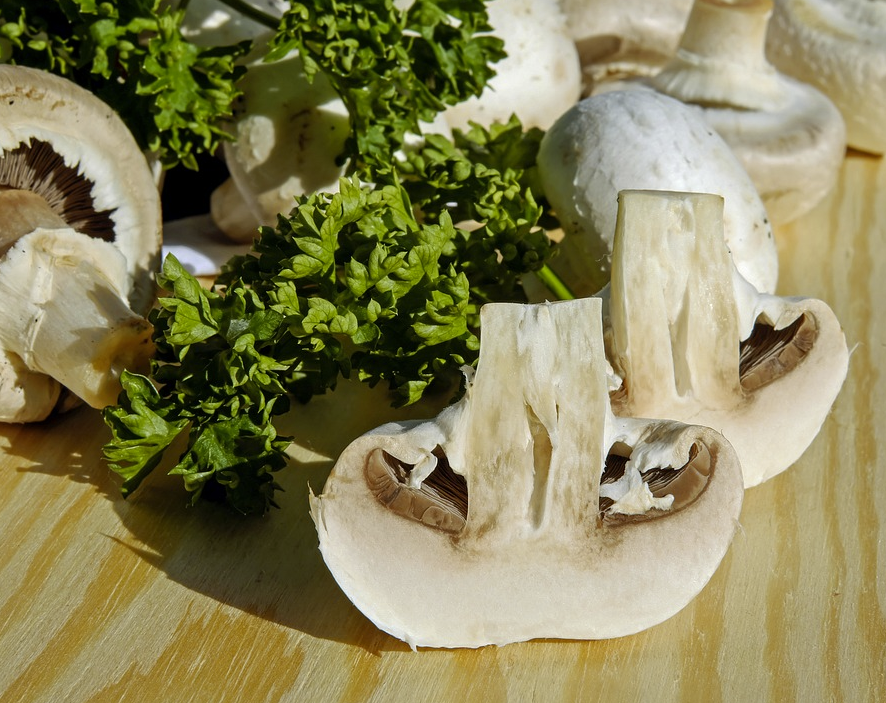
  • Plant based vitamin D is D2 and mushrooms are the best source (when exposed to UV light).
  • Foods fortified with vitamin D are similar to taking a supplement since the Vitamin D is not naturally occurring–I recommend eating foods that naturally contain Vitamin D over eating foods fortified with it. Commonly fortified foods include dairy such as milk and yogurt, orange juice, and cereals.
  • Your body needs both some sunlight during the day and darkness at night for heathy Vitamin D levels…and healthy Vitamin D levels also positively influence sleep, so for the sake of good sleep and healthy vitamin D levels, get to bed on time.
  • Wake up with the sun and aim to get at least 10 minutes of sunshine on as much of your body as you can (daily if possible). Even on a cold, sunny day, stepping outside briefly—especially around midday—can help maintain Vit D levels. 
  • Regular moderate-intensity exercise has been shown to protect against the common decline in vitamin D levels that occur in the winter.
  • Some people may benefit from high quality Vitamin D supplements. I recommend testing before supplementing. It is normal that your Vitamin D levels will be lower in the winter with less sun exposure. As long as your levels are still in range and you’re feeling good, supplementing may be unnecessary.

Until next time, I’m wishing you unstoppable health!
~Rebecca

P.S. Are you or someone you know struggling with weight, digestion/gut, or energy?
I’m here to help!  You/they can set up a complimentary Unstoppable Health Discovery Session with me here. 

How to protect your cells & boost immunity!

Glutathione is your body’s master antioxidant and detoxifier of cells. This means glutathione prevents damage to your cells brought by free radicals (unstable molecules that damage healthy cells). Glutathione also boosts your immune system.  Having the right amount of glutathione helps protect you from disease and infection.
 
Luckily, your body actually produces its own glutathione supply. Your cells produce glutathione from protein building blocks, namely cysteine, glutamine, and glycine.


Every cell of your body has glutathione, but it is much more concentrated in the liver because this is where most of the detoxification process occurs.
 
Unfortunately, your glutathione supply can be depleted by poor diet, pollution, toxins from the products we use, medications, stress, trauma, aging, infections, and radiation.
 
If you are prone to infections or anemia and feel sluggish and tired, chances are you have low glutathione levels. 

So how do we amp up glutathione in our body?

 Here are some tips:

  • Get enough sleep – Oftentimes we ignore getting enough sleep but it always backfires on your health. Lack of sleep leads to oxidative stress (cell aging and damage), hormonal imbalance and depleted glutathione levels.
  • Exercise regularly – Exercise is no surprise tip as we have been talking about its health benefits countless times, but a combination of cardio and circuit weight training has been proven effective to increase the body’s glutathione levels. Find that “Goldilock’s spot” for you when it comes to working out so that you aren’t overdoing it and causing fatigue.
  • Use milk thistle oil – Milk thistle is an herb that has been known as a natural remedy for problems in the liver. There are other food and food supplements that can be taken to increase glutathione levels but milk thistle stands out. According to The Encyclopedia of Natural Medicine, milk thistle is able to increase glutathione levels in the liver up to 35%! The higher the glutathione in the liver is, the greater the ability of the liver to detoxify your body!
  • Unfortunately, though, the body has a hard time absorbing milk thistle supplements. Alternatively, you can eat the plant itself, use it for tea, or take milk thistle oil.
  • Eat foods that boost glutathione production – So in addition to milk thistle, you can add to your diet foods that are high in selenium, sulfur, vitamin C, vitamin E, and alpha-lipoic acid. Eggs and dairy, especially whey protein, and spices like turmeric are also great.

 It is my passion to work with people like you whose health symptoms are getting in the way of you living life fully and with a sense of freedom in your body. I can help you to regain your health so you can feel great and free to enjoy life fully.
 
If you’re ready to discover where your best health has been hiding, I’d love to connect with you!
Apply for a complimentary Unstoppable Health Discovery Session. http://bit.ly/schedulinghealth (subject to availability).

Until next time, I’m wishing you unstoppable health!

~Rebecca

How to balance your immune teeter totter!

Today I’d like to talk with you about in internal teeter totter you might not have even known you had…and that’s between your gut/immune system and your detoxification system.
Now, we could keep this simple or get really complex. I don’t know how you’re doing with our current pandemic, but chances are, your mental bandwidth is a bit tapped out at the moment, so I’d like to keep today’s health tip nice and simple.


You know by now that the gut is the root of your health. It’s where roughly 80% of your immune system is.

All your systems work together to keep you alive (and hopefully healthy). They all require energy to run. When one part is under more demand, your body will divert energy to deal with that increased demand. For example, if your body was working on detoxifying some chemicals that you had inhaled (i.e. pollution) and you all of a sudden accidentally cut yourself or fell down and hurt yourself, your body is going to shift priorities!

Likewise, if your body is busy building more white blood cells and addressing an infection and you take in toxins through your diet (i.e. sugar, processed flour, vegetable oils, pesticides), your body is going to shift some energy away from your immune system to address those toxins. Like a teeter totter, both sides aren’t going to be all the way up at the same time!

An action that you can take to balance and support your immune system right now is to reduce the work that your body has to do to detoxify by eliminating or limiting the amount of toxins coming into your body on a day by day basis.

3 tips to support your immune system teeter totter

  1. Drink plenty of filtered water daily. Water helps to flush toxins AND support your immune system…but not if it’s full of toxins. Check here for what toxins were tested in your local water supply.
  2. Eat clean, unprocessed food. Processed foods are full of energy-draining chemicals (trans fats, vegetable oils, sugar, food coloring, pesticides, synthetic additives)…and they are deficient in the vitamins and minerals your body needs to function properly. The more simple you can keep your food, the better. Eat whole foods rather than processed versions (chicken versus chicken nuggets).
  3. Set up mealtimes rather than eating all day. Digestion takes a lot of energy and your digestive system needs a break! If you are eating more often than every 3 hrs, you may need to make some adjustments to what you are eating. I know that in the past when I ate a lot of carbs and not enough fat (for my body), I was constantly hungry! When I tested myself and discovered that my body needed a different approach and then made those changes, I got much better results.

I hope that these tips are helpful for you to keep your body strong and healthy!
 
If you’re ready to discover where your best health has been hiding, I’d love to connect with you!
Apply for a complimentary Unstoppable Health Discovery Session. http://bit.ly/schedulinghealth (subject to availability).

Until next time, I’m wishing you unstoppable health!

~Rebecca

Potassium Broth for Immunity and More!

With the threat of the corona virus going around, I want to share with you a simple recipe to boost your immunity. Potassium broth is a powerful elixir to promote your immune health.
 
Potassium is an electrolyte that works together with sodium to regulate your fluid balance, control your heart rhythm and blood pressure, regulate digestion, and maintain nerve impulses, muscle contractions and pH balance.


With that being said, potassium is very important for your body to maintain its vital functions. Lack of potassium results in fatigue, weakness, and constipation. These symptoms can go worse to paralysis, respiratory failure, and painful gut obstructions.
 
Since your body doesn’t produce potassium, you should be getting it from your diet. It is recommended that adults consume 4,700 mg of potassium per day. Sadly, though, less than 2% of Americans meet the RDA.
 

Potassium Sources

You can take potassium supplements, but food sources are healthier. The best food sources of potassium are fresh foods (versus canned or processed).
There are a lot of foods that contain potassium:

  • Bananas, oranges, and avocados
  • Parsley
  • Mushrooms
  • Cucumbers
  • Peas
  • White beans
  • Sweet potatoes
  • Potatoes
  • Lentils
  • Lima beans 


Potassium Broth Benefits

Another way to get potassium is potassium broth.

Potassium broth can:

  • Strengthen your immune system.
  • Help prevent you from catching colds and flu (and get over them more quickly). 
  • Fights cancer and diseases.Potassium broth is prepared from vegetables that contain phytochemicals, chemical compounds in plants other than vitamins and minerals. These phytochemicals serve as the plants’ defense against predators, pathogens and competitors. If they can do so for themselves, it means they can also fight pathogens and diseases in our body.
  • Rejuvenates and hastens recovery. Moms who have just given birth or people who have been ill or just came out of surgery need this tonic to regain their energy and aid them back to health.
  • Prevents muscle weakness, twitching, and cramps. For pregnant women and the elderly, leg cramps are very common. A sip of potassium broth every night is a great home remedy for this problem.

A not-so-secret ingredient to increase the absorption of potassium and minerals in the gut is a tablespoon of liquid whey in a cup of potassium broth (omit if you are sensitive to dairy).

Now here are 3 potassium broth recipes you don’t wanna miss:

It is my passion to work with people like you whose health symptoms are getting in the way of you living life fully and with a sense of freedom in your body. I can help you to regain your health so you can feel great and free to enjoy life fully.

If you’re ready to discover where your best health has been hiding, I’d love to connect with you!
Apply for a complimentary Unstoppable Health Discovery Session. http://bit.ly/schedulinghealth (subject to availability).

Until next time, I’m wishing you unstoppable health!

~Rebecca

3 (Free) Ways to Protect Yourself Against Coronavirus

A lot of you are on the spectrum between “feeling some concern” about the coronavirus to “freaking out” about it! 

Today I’d like to give you 3 simple and free tools to help you protect yourself against this infection.

1. Avoid sugar. Sugar is one of the worst things you can eat when it comes to supporting your immune system. Even a few teaspoons of sugar knocks your immune system down for HOURS. If you eat some sugar throughout the day, your immune system is going to be operating at partial strength all day long. Sugar suppresses or weakens your immune system. Use this health scare as an excuse to clean up your diet and kick sugary foods, drinks, and refined carbs (think white flour) to the curb.

2. Get your rest. Sleep is a vital time where your body recovers and prepares for the next day. Make sure you’re getting 7-8 hours every night.

3. Manage your stress. Did you know that your stress hormones temporarily lower your immune system’s ability to fight infection?
Checking in with yourself often throughout the day, taking some deep breaths, noticing when you are worrying and shifting your focus to either a helpful action or a place of compassion are all great ways to keep your stress hormones in check and your immune system working more effectively.

It is my passion to work with people like you whose health symptoms are getting in the way of you living life fully and with a sense of freedom in your body. I am here to help you to regain your health so you can feel great and free to enjoy life fully.

If you would like more tips for keeping your immune system strong, check this out, or feel free to message me directly.

If you’re ready to discover where your best health has been hiding, I’d love to connect with you!

Apply for a complimentary Unstoppable Health Discovery Session. http://bit.ly/schedulinghealth (subject to availability).

Until next time, I’m wishing you unstoppable health!

~Rebecca

How to Choose the Best Probiotic

Would you believe that not all probiotics are good?
 
Though probiotics have received a lot of attention over the years for their gut-friendly benefits and overall impact to well-being, it is unfortunate to say that some brands are not only not helpful, but may even make your symptoms worse.
 
According to the World Health Organization, probiotics are “live microorganisms which when administered in adequate amounts confer a health benefit on the host.”
 
If you have been reading my newsletters, you know how much I recommend customizing gut support. This may include probiotics because of their ability to keep support a diverse gut bug environment and in turn make your immune system and digestive system strong. A healthy gut gives you more benefits than any other area of health which is why it is considered to be the root of all health (or disease if it isn’t working well).

So in this newsletter, I will shed some light on how you can find a probiotic that actually works for your gut, so you get the maximum benefits.
 
First, in order for a probiotic to be effective, it must be “alive.” It sounds funny that I should emphasize that because, by definition, probiotics are, in fact, live microorganisms.

Probiotic Essentials

Here’s the gist:
 
Some probiotics are not bottled in a way that they can survive supplement production or resist the acidity of the stomach. So they are dead even before you take them or by the time they reach the colon, and you have wasted your money on something that you thought could benefit you.
 
Second, for a probiotic to be effective, it must contain identified strains of bacteria that were proven to provide health benefits to humans. It’s not just about taking something that has a high level of bacteria per serving (in probiotics, this is called CFU or colony forming units). More CFU’s doesn’t mean it’s better or more effective.
 
Remember that each species of bacteria has thousands of strains. Some have no proven benefits to human health, while others remain unstudied.
 
All you need are the bacterial strains that have proven benefits and that can survive bottling preparations and the acidic journey towards the colon.
 
I recommend spore-based probiotics because they are specifically designed to make it through the acidic environment of the stomach. Spores are the building blocks of a new cell and they can remain dormant for a long time and “hatch” or “come to life” in the intestines where they can colonize, increase the diversity of the microbiome, and boost your immune system.
 
Again, they are more effective than ordinary probiotics because they have an endospore or outer shell that keeps the strains highly resistant to stomach acid.
 
I also recommend specifically the spore form of the bacillus strains. The benefits are powerful!

  1. One bacillus strain, Bacillus Indicus HU36(TM), produces important nutrients at the absorption site of your intestines. These nutrients are lycopene, astaxanthin, zeaxanthin, beta carotene, and lutein. It’s considered to be the most effective antioxidant probiotic strain on the market. 
  2. Bacillus strains keep bad bacteria away. According to studies, bacillus strains stop the growth of disease-causing bacteria in the intestines.
  3. Bacillus strains can fight SIBO or Small Intestinal Bacterial Overgrowth. SIBO causes diarrhea, bloating, stomach pain among other symptoms. Other probiotics might increase SIBO, but there are specific bacillus strains that don’t such as Bacillus Clausii.

Overall, spore-based bacillus strains are helpful if you are on the journey to healing your gut so that you can reap the maximum benefits of a healthy microbiome.
 
I pick brands that I believe are worth the price and get the best health benefits. So with probiotics, I choose MegaSpore Biotic by Microbiome Labs. They have tons of legit research to back up their claims and I’ve seen great results with it.

It is recommended that you ease in with new probiotics rather than starting at the full amount on the label and I doubly recommend working with a practitioner to get the most out of your supplementation.

It is my passion to work with people like you whose health symptoms are getting in the way of you living life fully and with a sense of freedom in your body. I can help you to regain your health so you can feel great and free to enjoy life fully.
 
If you’re ready to discover where your best health has been hiding, I’d love to connect with you!
Apply for a complimentary Unstoppable Health Discovery Session. http://bit.ly/schedulinghealth (subject to availability).

Until next time, I’m wishing you unstoppable health!
~Rebecca

How to Keep Your Immune System Strong

 Boosting your immune system always–and most especially during the cold seasons–is vital.
 
The outbreak of the coronavirus (or 2019-nCov) has caused global fear, but it’s a reminder of how important it is for us to keep our resistance strong against whatever viruses or bacteria that may come our way and cause disease.
 
There are many ways to strengthen your immune system. You’re probably already familiar with some of these methods. For example, you can give your immune system the upper hand by living a healthy lifestyle, which includes eating unprocessed and nutrient dense foods, staying hydrated, getting enough sleep, exercising, not smoking, drinking alcoholic drinks in moderation, and managing stress effectively.
 
But one thing that can help your body’s immune defense tremendously is getting enough Vitamin C…and there’s a catch!
The catch is that it’s not enough to get plenty of Vit C daily: you also have to make sure to not rapidly deplete the Vit C you are getting. Two things that deplete your Vit C quickly are sugary foods and stress.

So I want to briefly tell you about how Vit C works and then let’s talk about how to plug the Vit C Drain so that you stay healthy and feel great. Sound good?

Why Vit C is Awesome

Vitamin C has gained popularity over the years because a high level of vitamin C in the body is considered to be the ideal nutrition marker for overall health.
 
Vitamin C, also known as ascorbic acid, is a water-soluble vitamin that is found in foods, particularly in fruits and vegetables.
 
Here are some of its benefits:

  • It works as an antioxidant. — It protects the cells from the damage caused by free radicals. Actually, the formation of free radicals in the body is important because they are byproducts of our cells’ conversion of food into usable energy. However, when free radicals accumulate, they cause damage to cells. Free radicals are also found in air pollution, UV light, and cigarette smoke. Antioxidants, like vitamin C, fight the free radicals. So in a way, vitamin C prevents or delays cell damage, including certain cancers, and promotes healthy aging.
  • It is needed to make collagen. — Your body naturally makes collagen with the help of vitamin C and the minerals zinc and copper. Collagen is a substance needed for your body’s connective tissues, which is vital to support your organs. Are you familiar with scurvy? This is a condition of vitamin C deficiency in which in the late stage of the condition, the person loses their teeth because there is no more connective tissues holding them in. Collagen is also important for healthy skin and bones and for healing wounds.
  • It helps in the absorption of iron from plant-based sources. Iron is important in transporting oxygen through the blood, and vitamin C increases the absorption of iron in the small intestines. So, iron must be taken together with vitamin C to get the maximum benefits.
  • Finally, and our main point here is that it helps in strengthening our immune system.

But how does vitamin C do the work?
By supporting various cellular functions of the immune system, vitamin C promotes the cellular activities of the immune cells that ultimately kills the invading microbes.
 
Studies have even shown that vitamin C deficiency decreases immune resistance and increases the individual’s risk for infections.

How’s your vitamin C status?

Make sure to support your immune system by taking vitamin C every day. You can get vitamin C from a variety of food sources such as citrus fruits, guavas, papayas, Brussels sprouts, black currants, kiwis, kale, bell peppers, broccoli, spinach, and organ meats.
 
Vitamin C, however, can be easily destroyed during food preparation because it’s sensitive to light, heat, and air so fresh and lightly cooked is best.
 
As an alternative, you can take vitamin C from rose hips. Rose hips are the seed pods of roses and are rich in vitamin C as well as other compounds that further boost the antioxidant function of vitamin C. A few weeks ago, I also shared some of the best forms of supplemental Vit C (check that out here in case you missed it).

Plug the drain

Lastly, the more mindful you are of avoiding sugar and choosing alternatives like monk fruit or Lakanto or small amounts of honey, the more Vitamin C you’ll retain. This goes for lots of fruit or any foods that cause your blood sugar to increase strongly (this depletes your Vit C!).

Same goes for stress. Stress is like flushing your Vitamin C down the toilet! And I know that you can’t avoid all stress, BUT you can absolutely manage how you respond to it much of the time. HeartMath tools are my favorite way to transform stress right there in the moment you are feeling it (so you plug the drain right away). Other great tools are exercise, music, meditation, getting out in nature, talking with someone, yoga, journaling…the more quickly you can change how you are feeling in the moments you have stress, the better your life experience will be and the better Vit C levels you’ll have.

Truly, prevention is better than cure so build up your immune system well. I’m not saying you won’t ever catch a cold if your immune system is strong, but you’ll certainly be more resilient and quicker to fight it off.
 
It is my passion to work with people like you whose health symptoms are getting in the way of you living life fully and with a sense of freedom in your body. I can help you to regain your health so you can feel great and free to enjoy life fully.
 
If you’re ready to discover where your best health has been hiding, I’d love to connect with you!
Apply for a complimentary Unstoppable Health Discovery Session. http://bit.ly/schedulinghealth (subject to availability).

Until next time, I’m wishing you unstoppable health!
~Rebecca

The Powerful Benefits of Vitamin C

Happy 2020!!!

Let’s kick the New Year off right by giving your body some powerful health advantages.

Vitamin C is famous for making your immune system strong, but did you know that it also has other health benefits?
 
Yes, in fact, this water-soluble vitamin has attracted attention among researchers over the years. Let’s explore some of its benefits!

Vitamin C Supports Your Immune System

Vitamin C protects you from infections and even helps combat chronic diseases. It supports the cellular processes of the immune system so that they can prevent infectious organisms from causing harm to your body.
 
Do you easily catch colds? That may be a clue your system needs more vitamin C.

Vitamin C Has Anti-Aging Effects

Vitamin C is a powerful antioxidant–meaning, it fights the free radicals in the body. One source of free radicals comes from your own tissues as they produce energy. You are also exposed to free radicals in your environment such as air pollution and UV light from the sun.
 
Free radicals cause damage to your cells.
 
One theory about aging is that we age because we have accumulated free radical damage over time. Vitamin C, being one of the most potent antioxidants (stops free radicals from damaging your tissues), can slow down the signs of aging.
 
Also, vitamin C supports the formation of collagen, a protein that acts like glue holding your body together. It also helps heal wounds, keeps bones and teeth strong, and maintains the health of your skin.
 
No wonder why vitamin C serum is a popular part of a skin regimen to maintain healthy, young-looking skin.

Vitamin C Fights Cancer Cells

When vitamin C breaks down in the body, it produces hydrogen peroxide. This substance damages tumor cells because they don’t have the capacity to remove hydrogen peroxide, like your normal cells do.
 
However, you need high doses of vitamin C to attack cancer cells. For example, some therapies administer vitamin C intravenously to bypass gut metabolism and excretion.
 
For those of you who don’t want to go the IV route, but want the health benefits of vitamin C, a great option is liposomal vitamin C. With this option, the vitamin is encapsulated in spherical vesicles made up of lipid bilayer. The liposome capsule is more effective in delivering vitamin C compared to other oral forms because it increases the absorption rate of vitamin C: PLUS it doesn’t cause irritation to the stomach.
 
This way, you get all the benefits of high-concentration vitamin C without the invasive method of an IV infusion or irritation to your gut.
 
PuraThrive Micelle Liposomal Vitamin C and Seeking Health Optimal Liposomal Vitamin C are both trusted brands. Check out the reviews and decide which one you’d prefer and then check with your practitioner before adding it in.
 
It is my passion to work with people like you whose health symptoms are getting in the way of you living life fully and with a sense of freedom in your body. I can help you to regain your health so you can feel great and free to enjoy life fully.
 
If you’re ready to discover where your best health has been hiding, I’d love to connect with you!
Apply for a complimentary Unstoppable Health Discovery Session. http://bit.ly/schedulinghealth (subject to availability).

Until next time, I’m wishing you unstoppable health!

~Rebecca