Posts

Your Gut Has a Cleaning Crew: Here’s How to Support Them

You probably think about what you eat and when you eat, but do you know what your gut is doing when you aren’t eating? Well, today you’re going to learn why that window of time might be one of the most important factors in your digestive health!
Meet the migrating motor complex. It’s one of the most fascinating and under appreciated systems in your body.

What Is the Migrating Motor Complex?

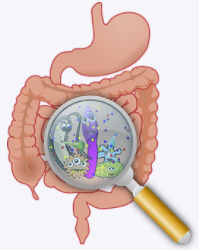
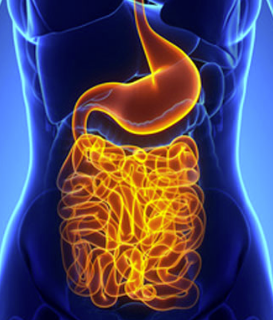
The migrating motor complex — or MMC — is a series of electrical waves that sweep through your digestive tract during periods of fasting. You can think of it as your gut’s built-in cleaning crew. It starts in your stomach, moves through the small intestine, and sweeps everything forward — leftover food particles, dead cells, mucus, and bacteria — and out of the small intestine.
Without your MMC, things start to accumulate that shouldn’t (more on this shortly).
And the MMC only activates when you’re in a fasted state. Once you eat (or drink something caloric), your MMC shuts off and your body shifts into digestive mode. 

Why This Matters for Your Health

Your small intestine is supposed to be relatively low in bacteria compared to your large intestine. The MMC is one of the primary reasons for that. By regularly sweeping bacteria forward and out, it helps maintain the balance of bacteria in your small intestine, supporting proper function.
When the MMC is disrupted or sluggish, bacteria can begin to accumulate in the small intestine where they don’t belong. This is one of the leading proposed mechanisms that can lead to SIBO (small intestinal bacterial overgrowth). SIBO is one of the root causes of bloating, gas, irregular bowel movements, and even nutrient malabsorption.
And importantly, research has found that people with conditions that impair gut motility — including diabetes, hypothyroidism, and certain autoimmune conditions — often have compromised MMC function, and a corresponding higher risk of SIBO. These connections between the MMC and SIBO are important to understand, especially if you want to resolve  (or prevent) digestive issues.

What Disrupts Your MMC?

Your current eating habits could either be helping or hurting your MMC and digestive health. Here are some big MMC disruptors:

  • Frequent snacking. This is the big one. Every time you eat, you reset the MMC cycle. If you’re grazing throughout the day — even on healthy foods — your gut’s cleaning cycle never gets a chance to complete. The MMC starts 90 mins-2 hrs after you finish eating and needs roughly 90 mins-3.5 hrs to run a full sweep.
  • Chronic stress. Your nervous system plays a direct role in MMC function, and the connection is more profound than we thought. The MMC is coordinated by your enteric nervous system (a whole network of neurons in your gut wall, also called your “second brain”), your brain, and your vagus nerve. In a calm, parasympathetic state, this communication works well and your MMC runs on schedule. When you’re under chronic stress, it’s a different story: Your body is operating in a low-grade sympathetic (“fight or flight”) state almost continuously. In that mode, your brain is signaling to your body that survival takes priority over housekeeping. Digestion and motility get deprioritized. The hormone motilin — which is the primary trigger for MMC contractions — is sensitive to this shift. Elevated cortisol (our primary stress hormone) can suppress motilin release and blunt the strength of your MMC waves. Not good. But another layer to this is that chronic stress also increases intestinal permeability (aka leaky gut) and promotes low-grade gut inflammation. An inflamed gut lining is a sluggish gut lining. So stress isn’t just suppressing the signal to clean house — it’s also impairing the machinery doing the cleaning. Over time, this creates exactly the kind of environment where bacteria accumulate in the small intestine and digestive issues develop.
  • Poor sleep. MMC activity is closely tied to your circadian rhythm. Research suggests that MMC function is more robust during nighttime hours, which is one of the reasons an overnight fast is so valuable for gut health — your body is doing some of its best housekeeping while you sleep (at night). If you go to bed late or skimp on sleep, you aren’t giving your MMC the opportunity to do as thorough of a cleaning.
  • Low stomach acid. This one tends to surprise people, because we rarely think of stomach acid as having a role beyond breaking down food in the stomach itself. But stomach acid — hydrochloric acid, or HCl — is a massively important signal that coordinates all of our downstream digestion, including MMC function. Here’s how the sequence is supposed to work: when food arrives in your stomach, HCl drops the pH significantly, activating the enzyme pepsin to begin protein digestion. That acidic environment then triggers the release of a hormone called secretin from the lining of your small intestine (secretin is what signals your pancreas to release bicarbonate and digestive enzymes, signals the gallbladder to release bile, and also plays a role in coordinating gut motility). When stomach acid is low, the pH of the stomach contents entering the small intestine isn’t acidic enough to trigger a robust secretin response. So, your enzyme and bile output are reduced, your food is less thoroughly broken down, which means larger, partially digested particles are moving through your small intestine — exactly the kind of environment that feeds opportunistic bacteria and sets the stage for SIBO and fermentation-driven symptoms like bloating and gas. And guess what? Motilin, the hormone most directly responsible for initiating MMC contractions, also needs proper acidification! So low HCL is going to lead to weaker and less frequent MMC contractions (less cleaning). That’s a bad combo: more opportunistic bacteria building up and less clearing of it out. 
    • Certain medications. Opioids are well known to significantly impair gut motility; GLP-1 meds interfere with proper MMC function; PPIs (proton pump inhibitors) used long-term to suppress stomach acid may also play a role.

What Supports Your MMC?

The good news is that there’s a lot you can do to support this system — and most of it is pretty simple.

  • Give yourself real gaps between meals. Aim for 3.5- 4.5 hours between eating meals/snacks to allow your MMC to complete a full cycle. 
  • Don’t eat within 2 to 3 hours of bed. Your overnight fast is prime MMC time. 
  • Prioritize sleep quality. Since MMC function follows your circadian rhythm, protecting your sleep is also protecting your gut motility. 
  • Actively manage stress. Stress management tools show up in almost every conversation about gut health. Your vagus nerve plays a central role in coordinating gut motility, and chronic stress dampens vagal tone. Breathwork, gentle movement, and even humming (as we explored in a previous newsletter) all support the parasympathetic state your gut needs to do its cleaning.
  • Consider ginger. Ginger has been studied for its prokinetic properties — meaning it supports the forward movement of contents through the digestive tract. A cup of ginger tea between meals is a simple, gentle way to support motility.
  • Stay hydrated between meals. Water (without calories) does not disrupt your MMC: it helps it by keeping things moving.

The Bigger Picture

Your MMC is an amazing system that cleans your gut and amplifies your health and now you know what to do (and not do) to support it to function optimally.
If you’ve been dealing with persistent bloating, feeling full long after meals, or digestive symptoms that don’t seem to respond to dietary changes alone, the tools for supporting your MMC could make a big difference.
Sometimes the most powerful thing you can do for your gut health isn’t adding something to your plate: It’s stepping away from it.

As a functional nutritionist, I don’t just help you to eat healthier: I help you create a healthier lifestyle.  

If you’re ready to discover where your best health has been hiding, I’d love to connect with you!

Apply for a complimentary Unstoppable Health Discovery Session.  http://bit.ly/schedulinghealth (subject to availability).

Until next time, wishing you unstoppable health,

~Rebecca

 
As always, nothing in this newsletter is intended as medical advice. Please work with a qualified healthcare provider before making changes to any medications or treatment plans.

How Polyphenol-Rich Foods Improve Gut Health, Lower Inflammation, and Support Metabolism

How Polyphenol-Rich Foods Improve Gut Health, Lower Inflammation, and Support Metabolism

Polyphenols are natural plant compounds that play a key role in lowering inflammation, improving metabolic health, and even supporting fat loss: they act like fertilizer for your gut microbiome!

Your gut (which includes your microbiome) is at the ROOT of your health. Your gut is where you take all the good stuff you eat and drink and transform it into the many building blocks your body needs to make energy, think clearly, sleep well, maintain a healthy weight, build muscle, fight infections, and clear out toxins that need clearing out daily so you can thrive. 


By feeding your beneficial gut bacteria, polyphenols set into motion the production of compounds that reduce inflammation and improve insulin sensitivity.
Let’s take a closer look.

Polyphenols & the microbiome

Your gut bacteria thrive on diversity. All whole foods provide unique nutrients for your gut, which is why it’s great to both eat foods that are in season as well as making sure to regularly include nutritional powerhouses (like polyphenol-rich foods) into your dietary habits. Here are some key benefits of polyphenols:

A healthier microbiome is linked to better digestion, improved mood, stronger immunity, more balanced inflammation, and easier weight regulation. It’s worth noting that chronic low-grade inflammation can make fat loss harder by interfering with insulin signaling and hormone balance: Polyphenol-rich foods are helpful since they help your body restore proper function and balance at these foundational levels.

Top polyphenol-rich foods to include daily

Here are some of my favorite, easy polyphenol options:

Berries
Blueberries, blackberries, raspberries, strawberries
✔ High in anthocyanins
✔ Support gut health and blood sugar balance

Cocoa (my favorite!)
Raw cacao or high-percentage dark chocolate (70%+)
✔ Supports beneficial gut bacteria
✔ May reduce cravings and inflammation

Tea
Green, black, oolong, white, hibiscus, peppermint, rooibos, chamomile, ginger, lemon balm
✔ Rich in catechins and flavonoids
✔ Supports metabolism and gut diversity

Bonus polyphenol sources:
Olive oil, herbs, spices, coffee, colorful vegetables, and red cabbage.

How to include polyphenols in your daily life:

Getting results is all about consistency. Here are some easy ways to be consistent with including polyphenols into your daily life:

  • Add a handful of berries to breakfast or other meals (this is also great for boosting fiber & vitamin C!)
  • Try my cocoa tonic or hot chocolate recipes
  • Enjoy tea daily instead of another coffee (some of my favorite high polyphenol teas to have throughout the day are lemon balm, rooibos chai, ginger and peppermint…and then chamomile before bed)
  • Aim for color and variety with fruits & veggies throughout the week
  • Cook with olive oil and use it as a base for salad dressings

Ease your way into enjoying more polyphenols. It’s not a race–consistency over time is what you want.

If you’d like help using foods like these strategically for gut health, hormone balance, and sustainable fat loss, I’d love to support you.

As a functional nutritionist, I don’t just help you to eat healthier: I help you create a healthier lifestyle.  

If you’re ready to discover where your best health has been hiding, I’d love to connect with you!

Apply for a complimentary Unstoppable Health Discovery Session. http://bit.ly/schedulinghealth (subject to availability).

Wishing you unstoppable health,

~Rebecca

P.S. If you know someone who is ready to feel great & create health habits that stick, I would love to connect with them!

Please share my scheduling link with them so that they can schedule a complimentary Unstoppable Health Discovery Session with me.

How to Restore Gut Health with Tributyrin

In last week’s newsletter, we explored  postbiotics and their role in restoring gut health.
Continuing with that conversation, this week’s newsletter will tackle the incredibly important short-chain fatty acid (SCFA) butyrate (which is a postbiotic) and it’s critical role in a healthy gut.
 
Being a postbiotic, butyrate is one of the end products when your gut microbes ferment dietary fibers. Among the SCFAs, butyrate has garnered more attention because of its beneficial effects on cellular energy metabolism and intestinal homeostasis.
 
Although it is the least abundant among the short-chain fatty acids, it is still considered the most important.
 
The cells that line the large intestines, called colonocytes, use butyrate as their energy source so they can multiply and function normally. Without butyrate, these cells will just die. In addition to that, butyrate has anti-inflammatory properties that enhance intestinal barrier function (think prevent leaky gut!), and increase the immunity of the GI mucosa.
 

Summary of Butyrate Benefits

  • Fights inflammation
  • Aids in intestinal motility
  • Stimulates the absorption of water and sodium
  • Maintains the protective mucus layer of the intestines
  • Helps fight leaky gut

 
Because butyrate maintains and restores gut health, and fiber fermentation leads to butyrate production, it goes without saying that it is important that you have a good supply of dietary fiber. This way, your gut microbes are supercharged to produce butyrate.
 
However, not all people can tolerate eating a high-fiber diet. Gas is also produced when fiber is fermented, so this can cause flatulence, bloating, and stomach discomfort for some people. Others may experience either diarrhea or constipation.
 
So how can you increase butyrate in the gut when a high-fiber diet is not tolerated?
 
First, you can try a very gradual progression with fiber-rich foods–go slow and let your body adjust. Secondly, try a variety of sources of fiber-rich foods since you might tolerate some a lot better than others (this is known as biochemical individuality).
Third, this is where butyrate supplementation comes in.
 
Specifically tributyrin.
 
According to research, tributyrin is more effective and easier to use than some other supplemental butyrate. Since butyric acid salts are easily absorbed in the small intestines, you need a form that can reach the large intestine as well.
 
Tributyrin has a high bioavailability–meaning the body absorbs it well and uses it as intended. So when you take tributyrin, there’s nothing wasted. 
 
The brands I recommend are Healthy Gut Tributyrin-X and Designs for Health Tri-butyrin Supreme. Both are very high quality brands.
 
It is my passion to work with people like you whose health symptoms are getting in the way of you living life fully and with a sense of freedom in your body. I can help you to regain your health so you can feel great and free to enjoy life fully.

If you’re ready to discover where your best health has been hiding, I’d love to connect with you!
Apply for a complimentary Unstoppable Health Discovery Session. bit.ly/schedulinghealth (subject to availability).

Until next time, I’m wishing you unstoppable health!
~Rebecca

The Gut-Thyroid Connection

Thousands of years ago, Hippocrates, the father of modern medicine, said that “All disease begins in the gut.” 
Your gut is truly at the ROOT of your health.
Your gut is where you take all the good stuff you eat and drink and transform it into the many building blocks your body needs to make energy, think clearly, sleep well, maintain a healthy weight, build muscle, fight infections, and clear out toxins that need clearing out daily so you can thrive.


Poor gut health affects every part of you, including your thyroid or master gland of metabolism! But it’s not that simple: poor thyroid function can lead to poor gut health as well.
So today, I want to share some helpful info with you about the gut-thyroid connection and give you some tips for how you can support both.

3 Ways Your Gut & Thyroid are Connected

  1. Thyroid hormones influence the tight junctions of your gut (tight junctions are what protect you by acting as a selective barrier between your gut and your bloodstream…without it, your entire immune system is compromised).
  2. Imbalances in your gut bugs leads to poor thyroid hormone conversion (the enzyme required to convert thyroid hormones into their active forms, intestinal sulfatase, are dependent on healthy gut bacteria).
  3. Low stomach acid and constipation both decrease available thyroid hormone (because hormone clearance is impaired)…and low thyroid hormone can worsen constipation (slows gut transit time).

Top Tips to Support Your Gut-Thyroid Connection

  1. Get plenty of sleep. Your body needs 7-8 hours of sleep each night (click here for guidelines and tips).
  2. Eat a healthy diet of high quality, whole foods (tips here).
  3. Support your microbiome. Current research shows that lactobacillus and bifidobacterium-based probiotics play a role in supporting thyroid function and reducing thyroid antibodies (when your own body attacks your thyroid). Click here for more tips.


It is my passion to work with people like you whose health symptoms are getting in the way of you living life fully and with a sense of freedom in your body. I can help you to regain your health so you can feel great and free to enjoy life fully.

If you’re ready to discover where your best health has been hiding, I’d love to connect with you!

Apply for a complimentary Unstoppable Health Discovery Session. bit.ly/schedulinghealth (subject to availability).

Until next time, I’m wishing you unstoppable health!
~Rebecca

3 Eating Habits that Increase Your Risk for Metabolic Diseases

What you eat is a fundamental tool for building your health, but did you know that the way you eat your food is important too?
 
I’m sure you’ll agree that metabolic diseases, such as diabetes, are best avoided–and my goal today is to share some valuable insights into the three common eating habits that increase your risk for developing metabolic diseases so that you can make more empowered choices.


 Snacking

Snacking is a mixed bag. 
 
When you snack, you don’t give your gut the chance to regenerate and heal itself. When your gut has to constantly digest food, it has less time to clean and heal. Your gut has a cleansing mechanism called the migrating motor complex or MMC for short. This “housekeeping” mechanism is interrupted by feeding and needs about 4-5 hrs between meals to kick in.
 
If you are struggling with an imbalance in blood sugar such as high blood sugar or insulin resistance, prolonging your eating frequency might help you (aka less snacking). This is less helpful if you have adrenal issues, low blood pressure, or low blood sugar so please work with a practitioner if you are unsure.
 
Another consideration is if you have inflammation, especially if you are experiencing symptom flare ups after eating. Around four hours after eating, the food you eat crosses from the gut into your bloodstream. If your gut isn’t functioning optimally, your gut microbes and their components leak into the bloodstream, which triggers an immune response. Normally, this inflammatory response is short-term or temporary, BUT it can be exacerbated if you always put food in your system (aka snacking). This low-grade inflammation is associated with conditions such as diabetes and heart disease.
 

Eating Late

Eating right also means eating at the right time. When you eat late at night, your body tends to metabolize slowly due to differences in body temperature, hormonal levels, biochemical reactions, and the ability of your gut to digest and absorb food nutrients (digestive juice output).
 
Some studies show that eating late at night (think 8-10pm or later), reduces fat burning even when caloric intake is equal AND worsens blood sugar balance.
 

Not Eating Enough or Skipping Meals

Some people tend to misinterpret diet programs or adhere to diet fads that lead them to not eat enough, and the result can be undernourishment, reduced metabolic function, ironically storing more body fat (especially around your organs), and even being underweight. True, most people under eat because they are trying to lose weight, but it can be dangerous to do so. 
 
Check out these nine signs and symptoms of undereating here.
 
If you are experienced with intermittent fasting or other types of fasting and you feel great doing it–awesome! However, if you are feeling depleted, cranky, light-headed, and find that your appetite goes UP regularly, those are indications you need to fine-tune your approach.

Some great habits to add at mealtimes are to practice mindfulness and gratitude during meals. By being present while eating, you are going to be conscious of the food you put on your plate and appreciate the nutrition you are providing to yourself.
 
It is my passion to work with people like you whose health symptoms are getting in the way of you living life fully and with a sense of freedom in your body. I can help you to regain your health so you can feel great and free to enjoy life fully.

If you’re ready to discover where your best health has been hiding, I’d love to connect with you!

Apply for a complimentary Unstoppable Health Discovery Session. bit.ly/schedulinghealth (subject to availability).

Until next time, I’m wishing you unstoppable health!
~Rebecca

Top Reasons Why You Feel Bloated

Do you have a problem with bloating?

Did you know that how much you eat isn’t the only reason for feeling bloated?

Certainly overeating can overburden your digestion and cause bloating, but you can still develop bloating because of the ingredients in what you eat.

Let’s check out some of these ingredients.

Salt

Salt is important, but too you need the right amount. Too much or too little and your body will want to retain extra fluid.

However, it’s not just the salt shaker that contains salt.

Processed foods, convenience foods, and foods you get from restaurants tend to contain A LOT of salt even when they don’t taste salty.

Opt for good quality salts like Himalayan and Celtic sea salt on fresh foods and limit what you take in from packaged foods.

Fat

Fats are very important for good health. However, fried foods, vegetable oils, and trans fats don’t fit into that category. Moreover, if you metabolize fats more slowly or have gallbladder or thyroid issues, you likely feel better when you consume foods that aren’t loaded up with fat or oil even healthy options. You may also want to consider lipase which is an enzyme that helps your body break down dietary fat.

Soda and carbonated beverages

Some people do just fine with carbonated beverages while others get distended by the bubbles. If you do notice that you experience bloating and it tends to show up after drinking bubbly drinks, it would be worth experimenting leaving them out for a few days to see if that’s a primary cause of your bloating (and possibly other symptoms).

High-fructose corn syrup

High-fructose corn syrup, which can be found in soda and fruit drinks…and many processed foods, cannot be absorbed quickly by your body. It’s one of the culprits of gas buildup in the abdomen, and in some people, it causes pain. 
 
Dairy products and Gluten


Some people are lactose intolerant, some gluten intolerant and many are intolerant to both. Their bodies are not able to break down the milk sugar lactose effectively or the protein gluten in wheat/rye/barley. In either case, it’s going to lead to breakdown in your gut and often bloating.

I hope that this is helpful to you in pinning down what’s causing your bloating so you can make some shifts and feel better. Now of course there are plenty of other reasons for bloating like hormonal imbalance, low stomach acid, and infections, but many times, making adjustments like I mentioned here are very helpful.

It is my passion to work with people like you whose health symptoms are getting in the way of you living life fully and with a sense of freedom in your body. I can help you to regain your health so you can feel great and free to enjoy life fully.

If you’re ready to discover where your best health has been hiding, I’d love to connect with you!

Apply for a complimentary Unstoppable Health Discovery Session. bit.ly/schedulinghealth (subject to availability).

Until next time, I’m wishing you unstoppable health!
~Rebecca

Science-Backed Benefits of Gratitude

Did you know that practicing gratitude every day can change you and your brain?
 
It’s true. Developing the habit of gratitude has immense benefits to your physical, social, and psychological well-being. Let’s dig into them one by one.

  • According to neuroscientists, focusing on positive things activates neurotransmitters branded as “happy chemicals.” (i.e. dopamine and serotonin) This makes gratitude a natural antidepressant.
  • Robert Emmons, a scientific expert on gratitude, states that gratitude is “….an affirmation of goodness. We affirm that there are good things in the world, gifts and benefits we’ve received.” Feeling good reinforces doing more things that keep us feeling this way. Meditation, prayer, journaling, and exercise are some of these things that keep us feeling good. You don’t need to do ALL of them, and depending on your energy, you may do better to stick to 1 or 2 consistently to support your mood and energy.
  • Generally, gratitude improves your well-being. When we think of things that we are grateful for, the parasympathetic response (rest and digest) is activated, contrary to when we focus on negative thoughts. The rest and digest response is essential to relax and improve sleep quality, boost the immune system, and alleviate illness.
  • Gratitude changes your brain’s neural pathways. Constant repetition forms a habit. So the more we practice gratitude, we become better at it. Being intentionally grateful helps rewire our brain to be more positive and resilient so that stress won’t get to us.
  • According to the HeartMath Institute’s vast research on this topic, renewing feelings such as gratitude help improve the balance between cortisol and DHEA. By plugging emotional energy drains, you have more energy and attention to spend on the things that are important to you.

 There are many ways to practice mindful gratitude. Here are several suggestions you can try:

  • Keep a gratitude journal – Every day, especially right after getting out of bed in the morning or before going to bed at night (that’s peak time for neuroplasticity!), write down at least three things that you are grateful for–best if you choose different things every day. At the end of the week, read these things so that you are reminded.
  • Write thank-you notes – Send the notes to your loved ones or leave them at a place where they can easily see, like the fridge or their desk.
  • Fill a gratitude jar – Write gratitude notes on small pieces of paper and put all inside a clear jar. When you feel low, get one note from the jar to remind you to be grateful.
  • Let others know that you appreciate them – You can show people you appreciate them in many ways. One example is to call/text/tell them in person that you appreciate them and why.
  • Take a moment to appreciate your surroundings – Be aware of what’s around you by pausing for a while and appreciate every good thing such as the birds outside, the beautiful weather, the blooming flower, and more! When you are looking for blessings, you will find them (sometimes in surprising ways!). 

I hope that these suggestions are helpful to you!

It is my passion to work with people like you whose health symptoms are getting in the way of you living life fully and with a sense of freedom in your body. I can help you to regain your health so you can feel great and free to enjoy life fully.
 
If you’re ready to discover where your best health has been hiding, I’d love to connect with you!

Apply for a complimentary Unstoppable Health Discovery Session. bit.ly/schedulinghealth (subject to availability).

Until next time, I’m wishing you unstoppable health!
~Rebecca

How to Naturally Lose Weight without Counting Calories

Yes! You read it right. You can actually lose weight–naturally–without counting calories. As discussed last week, the technique “calories in, calories out” is oversimplified and fraught with myths.
 
Instead of putting a lot of time, energy and attention on calorie counting, I invite you to start learning another approach to weight loss (or as I prefer to call it, weight release). 


What you need are foods that do the following:

  1. Balance your blood sugar levels
  2. Increase your metabolism

And the result of eating these foods on a daily basis are:

  1. A boost in energy
  2. Adequate sleep — goodbye insomnia!
  3. No more unnecessary cravings
  4. Normal bodily functions

With this in mind, let me share with you some foods that could do this!

  1. Black coffee — Oh the perks of being a coffee drinker! Aside from the burst in energy and concentration, coffee boosts metabolism for a short time.
  2. Green tea — It is rich in antioxidants and is associated with many health benefits, including increased energy and selective fat burning.
  3. Spicy foods — The natural chemicals in spicy foods increase your metabolic rate.
  4. Fiber-rich foods — These foods cause you to feel full because they help release satiety hormones: you will naturally eat less without even trying! Aside from that, fiber feeds the good bacteria in your gut so you’ll reap more benefits. Fruits and vegetables are rich in fiber.
  5. Probiotics — Obese people have different gut microbiome patterns than normal-weight individuals. One way to nurture a healthy gut microbiome is to take probiotics from food sources (like sauerkraut, kim chee, yogurt, etc), make sure you feed your gut flora with prebiotics, and consider probiotic supplements.
  6. Protein — A high-protein diet gives you that feeling of fullness and reduces your appetite. Protein also boosts metabolism for up to 80-100 calories a day. Eggs, meat, seafood, poultry, tempeh, cottage cheese, certain nuts and seeds, and a variety of high-quality protein powders are great sources of protein. 

In addition to choosing the right foods for your body (which is best done with metabolic pattern testing!), hydration, sufficient sleep, managing your day-to-day stress, and moving your body throughout the day are hugely important not only for the weight release but also for your physical, mental, and emotional health.
 
Another tip I can share is to practice mindful eating, meaning you have to be conscious of your food choices, increase your awareness while eating, and listen to your body’s needs. By doing so, you will be able to choose the right foods for you and combat emotional eating and overeating.

It is my passion is to work with people like you whose health symptoms–like low energy, gut/digestive issues, excess weight, mood imbalance, chronic infections, and skin & sleep problems–are getting in the way of you living life fully and with a sense of freedom in your body. I help you to regain your health so you can feel great and free to enjoy life fully.
 
If you’d like to learn more about how you can discover where your best health has been hiding, I’d love to connect with you!
Apply for a complimentary Unstoppable Health Discovery Session bit.ly/schedulinghealth (subject to availability).

Until next time, I’m wishing you unstoppable health
~Rebecca

Surprising Benefits of Eating Kimchi

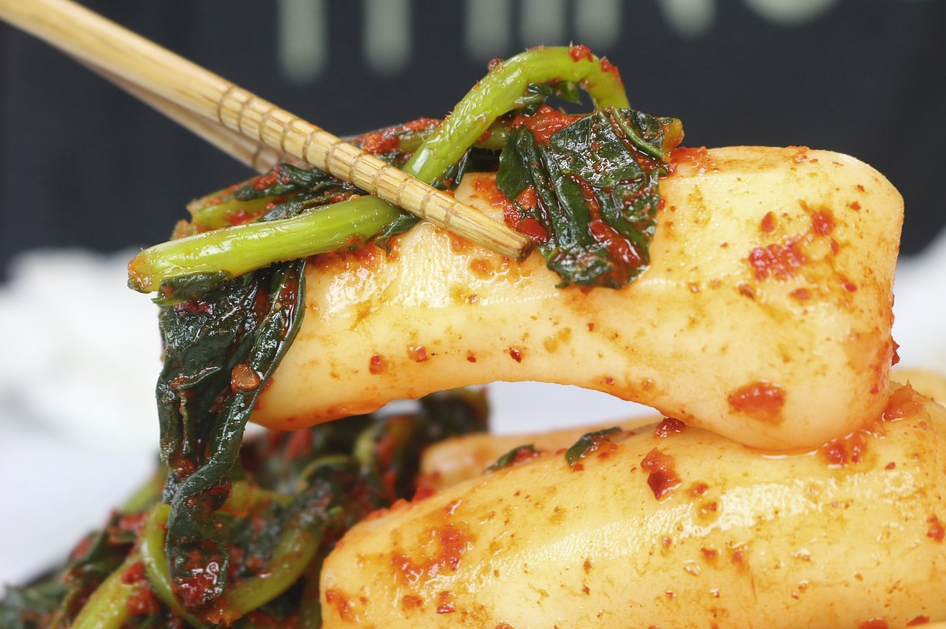
Today we’re going to dig into an awesome gut healing food called kimchi. Kimchi is a world-famous traditional side dish in Korea.This food has rich historical roots: It is mentioned in many ancient Korean journals dating back thousands of years ago!


From being incredibly sour to crazy spicy, accompanied with that pungent odor–kimchi has a unique and delicious taste. In addition, kimchi is a fermented food and is therefore helpful to the friendly bacteria in your gut.

And your gut is at the root of your health! 

Your gut is where you take all the good stuff you eat and drink and transform it into the many building blocks your body needs to make energy, think clearly, sleep well, maintain a healthy weight, build muscle, fight infections, and clear out toxins that need clearing out daily so you can thrive. 
 
So it’s great to know about different foods that you can eat to add to the diversity of friendly bugs in your gut…like kimchi! So, kimchi is made from fermented Napa or Chinese cabbages along with other veggies, onion, garlic, spring onions, and gochugaru (ground Korean chili powder).
 
Let’s look at some benefits in the research of regularly eating kimchi:
 

Improves Digestion

Improved digestion is the first obvious benefit of regularly eating kimchi. The lactobacilli (one of your good gut bugs) gets depleted when you are stressed and have an unhealthy lifestyle (eating processed foods, not drinking enough water, not getting enough sleep, not exercising regularly) causing you to have indigestion or diarrhea. Kimchi is rich in fiber and lactobacilli that help restore proper digestion.
 

Boosts the Immune System

Did you know that 75% of your immunity is found in your gut?! Your gut, which is home to countless microorganisms, is your very first defense against disease-causing microbes that enter your body through the mouth.
 
Eating fermented foods, such as kimchi, strengthens immune system
 

May Slow Down the Aging Process

Kimchi is rich in antioxidants–the secret to slowing wear and tear on your cells resulting in fewer outer and inner signs of aging. Think of oxidative stress like this: you know when you cut open and apple and shortly afterward it turns brown? That’s oxidative damage/stress.  Antioxidants fight this rapid aging brought on by stress and pollution from the environment. 
 

May Help With Weight Release

Kimchi is created with ingredients that are densely packed with nutrients: Napa cabbage itself contains vitamins A and C, at least 10 different minerals, and more than 34 amino acids!
 
What makes the vegetables in kimchi good for weight loss is that they are low in calories but high in satiating fiber–meaning you get full more easily. The lactobacillus in kimchi may also support weight balance.
 

May Fight Inflammation and Cancer

The ingredients in kimchi have anti-inflammatory properties and, as mentioned, are full of antioxidants. They promote your overall health and fight inflammatory illnesses and cancer. Cabbage in particular contains indole-3-carbinol, a powerful drug against colon cancer.
 
I did a little search and found this easy recipe on how to make kimchi. If it interests you, head over to this blog and learn to make kimchi on your own. It is also sold in many stores (look for organic and preferably in glass jars).
 
It is my passion to work with people like you whose health symptoms are getting in the way of you living life fully and with a sense of freedom in your body. I can help you to regain your health so you can feel great and free to enjoy life fully.
 
If you’re ready to discover where your best health has been hiding, I’d love to connect with you!
Apply for a complimentary Unstoppable Health Discovery Session. http://bit.ly/schedulinghealth (subject to availability).

Until next time, I’m wishing you unstoppable health!
~Rebecca

Are you ready to move your “health needle?”

Hi there!
Today I have a special announcement to share with you. 📣

Since 2001, I have been helping folks to feel healthier and more at home in their bodies.
Ever since I was a kid, I watched my Dad and other relatives struggling with their weight and other symptoms ranging from anxiety to heart conditions…and I saw a whole lot of unhealthy habits too. As a kid, I didn’t know how to help. I didn’t understand that almost all of those awful symptoms were linked to habits…choices that got made over and over again every day that were keeping the people I cared about sick or unhealthy and definitely not showing up in the world as their best selves. Sound familiar?

Clearly this struggling fueled me to want to be able to help make a difference in people’s lives and to help them discover how they could feel better in their own skin.
As many of you already know, this is the mission that I’ve been on most of my life. 😍

I’ve helped a lot of people over these decades through customized programs, testing, and one-on-one coaching. But there are people (maybe you’re one of them) who just aren’t ready to take that next step to do that level of work either by yourselves or with someone to support you. And that’s okay. I really appreciate that you are part of this community and reading these newsletters and thinking about how you can move your health needle. 🙏🏻

Because of you, during the pandemic, I decided to create a program called Unstoppable Health Basics. 🎉

If you think about health building as climbing a ladder, this is the rung on which we all need to start.
The purpose of UH Basics is for you to start to lay the most essential health foundations so that you can have the physical, mental, and emotional vitality to show up as your best self. In this program we will explore the essential strategies, tools and habits you need to start steering your health in the direction that will lead to long-term, sustainable results. This is a group based and self-paced program which allows me to offer it very affordably and for you to participate flexibly on your own schedule.
Enrollment is officially open!!! 🥳

If you’d like to learn more about it and see if it’s a good fit for you, I invite you to apply for a complimentary Unstoppable Health Discovery Session with me. 

👉 bit.ly/schedulinghealth (subject to availability).

Again, I’m so grateful that you are part of this health building community and I’m thrilled by the possibility of you moving your health needle to the next level! 💗

Until next time, I’m wishing you unstoppable health!
~Rebecca