Feeling More Inflamed Lately? InflammaPause Might Be Why
You may have heard the catchy term InflammAging used to describe the increase in inflammation many people notice as they age, but have you heard about InflammaPause? If you’re a woman or have women in your life that you care about, this newsletter is for you.
Perimenopause is getting a lot of well-deserved attention lately. Better late than never, but we are seeing the medical industry catching on that women need better support. Perimenopause symptoms are no joke and while not every woman suffers during this transition, many do.
And the process can start before you think!
Often starting in your late 30s or 40s, the (often erratic) decline in estrogen and progesterone can leave you suddenly feeling like your body is changing overnight and with no roadmap in sight.
Many women enter perimenopause without realizing it. Symptoms often show up 8-10 years before periods stop, and they don’t just affect hormones — they impact inflammation, metabolism, mood, and even gut health.
Here are some of the most common patterns I see with clients:
Pain + Inflammation
- New joint stiffness or body aches
- Old injuries flaring up
- Increased headaches or migraines
- Heightened sensitivity to stress and inflammatory foods
Gut Imbalance
- Bloating that suddenly worsens
- Slower digestion or constipation
- Histamine sensitivity
- More food intolerances
Muscle Loss + Metabolic Shifts
- Harder to maintain muscle tone
- Weight gain despite “doing the same things”
- Slower recovery after workouts
- Blood sugar swings and cravings
Sleep + Mood Changes
- Waking between 2–4am
- Anxiety or feeling unsettled/restless for no apparent reason
- Mood swings or irritability
- Feeling “wired but tired”
Fluctuating estrogen and progesterone effects almost everything in the body, especially influencing:
- Inflammation signaling (both estrogen and progesterone have powerful anti-inflammatory effects)
- Nervous system regulation
- Gut motility and microbiome balance
- Muscle protein synthesis
- Cortisol rhythms and sleep quality
While perimenopause and menopause are totally normal life transitions, when your body hurts, you can’t sleep well, you’re having digestive issues, your body shape is changing and you feel powerless to stop it…it can feel impossible to embrace this transition with grace. Here are some tools that may help.
Anti-inflammatory, hormone-supportive nutrition
- Prioritize protein (especially at breakfast) to protect your muscles, improve recovery, and stabilize blood sugar
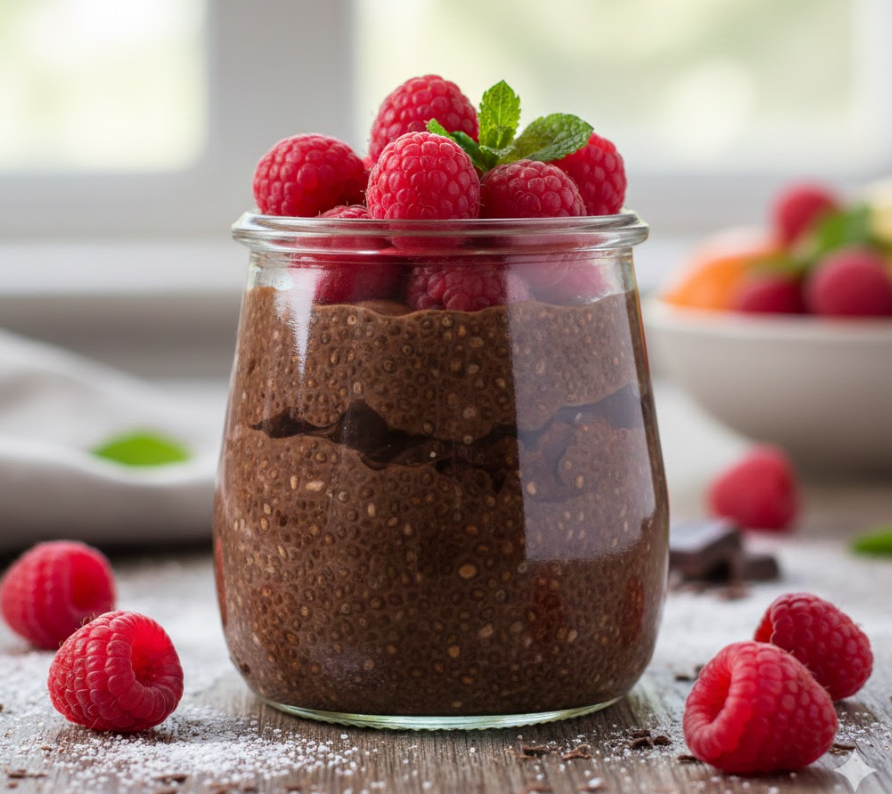
- Increase polyphenol-rich plants (berries, herbs, colorful veggies) to support inflammation signaling cells (polyphenols are powerful antioxidants and immune balancers)
- Support gut diversity with fiber + fermented foods (strengthens gut lining, beneficial bacteria, and hormone recycling)
- Reduce ultra-processed foods and inflammatory oils (focus on olive oil, nuts and seeds, avos)
- For joint and muscle pain, supplements such as magnesium, omega 3 fats, curcumin, boswelia, creatine, and tart cherry can be helpful
Train smarter, not harder
- Strength training becomes non-negotiable in this phase
- Muscle is one of the most powerful protectors against metabolic decline (keeps your baseline metabolic rate more resilient)
- Gentle recovery and nervous system regulation matter more than pushing harder
Nervous system first
Hormonal resilience is tightly tied to stress resilience.
Daily tools like breathwork, gentle movement, breaks, sunlight, and other nervous system resets like meditation, acupuncture, creative endeavors, etc. can dramatically improve sleep, mood, and inflammation.
Strategic herbal support
Depending on the individual, targeted herbal support may help:
- Adaptogens for stress buffering (such as holy basil, lemon balm, maca)
- Phytoestrogenic herbs for symptom relief (red clover tea can help reduce hot flashes; black cohosh can also help with hot flashes, night sweats, and mood swings; flaxseed can help with gut-hormone balance and estrogen metabolism)
- Nervines for sleep and mood regulation (i.e. lemon balm, passionflower, skullcap, chamomile, oatstraw, motherwort, lavendar)
(Always individualized — what works for one woman may not work for another.)
Considering MHT (Menopausal Hormone Therapy)
For some women, MHT can be life-changing and protective when used appropriately.
It’s not right for everyone, but if you continue to struggle with symptoms, it is worth having a conversation with a qualified practitioner. Much of the previous research that caused fear around MHT has been debunked and there are multiple options nowadays to consider (bio-identical vs synthetic; patches, creams, injections, pills).
Hormonal support amidst rapid fluctuations can be challenging and there are no combos that work for every single woman. Many women that I have worked with who have opted for MHT during their perimenopause transition had to make adjustments along the way or found that one method of delivery worked for them while another form didn’t. It takes patience and a medical professional who is willing to listen and support you to find the right combination. I also have clients for whom MHT isn’t a safe option and they do better with adaptogens, herbs, and diet & lifestyle support. It’s important to find the right synergy for YOU.
To sum up, perimenopause can last a long time and it’s not a simple, linear journey for many women.
It’s a transition that requires new strategies, not more discipline.
If your body feels unfamiliar lately, it doesn’t mean you’re doing something wrong — it likely means your physiology has shifted and needs a more personalized approach.
If you’re navigating these symptoms (or others) and want a customized, whole-body plan, I’m here to help.
Apply for a complimentary Unstoppable Health Discovery Session. http://bit.ly/schedulinghealth (subject to availability).
Wishing you unstoppable health,
~Rebecca
P.S. If you know someone who is ready to feel great & create health habits that stick, I would love to connect with them!
Please share my scheduling link with them so that they can schedule a complimentary Unstoppable Health Discovery Session with me.